

Recognised in 1965: How the Celestial Church Found Its Legal Footing in Dahomey
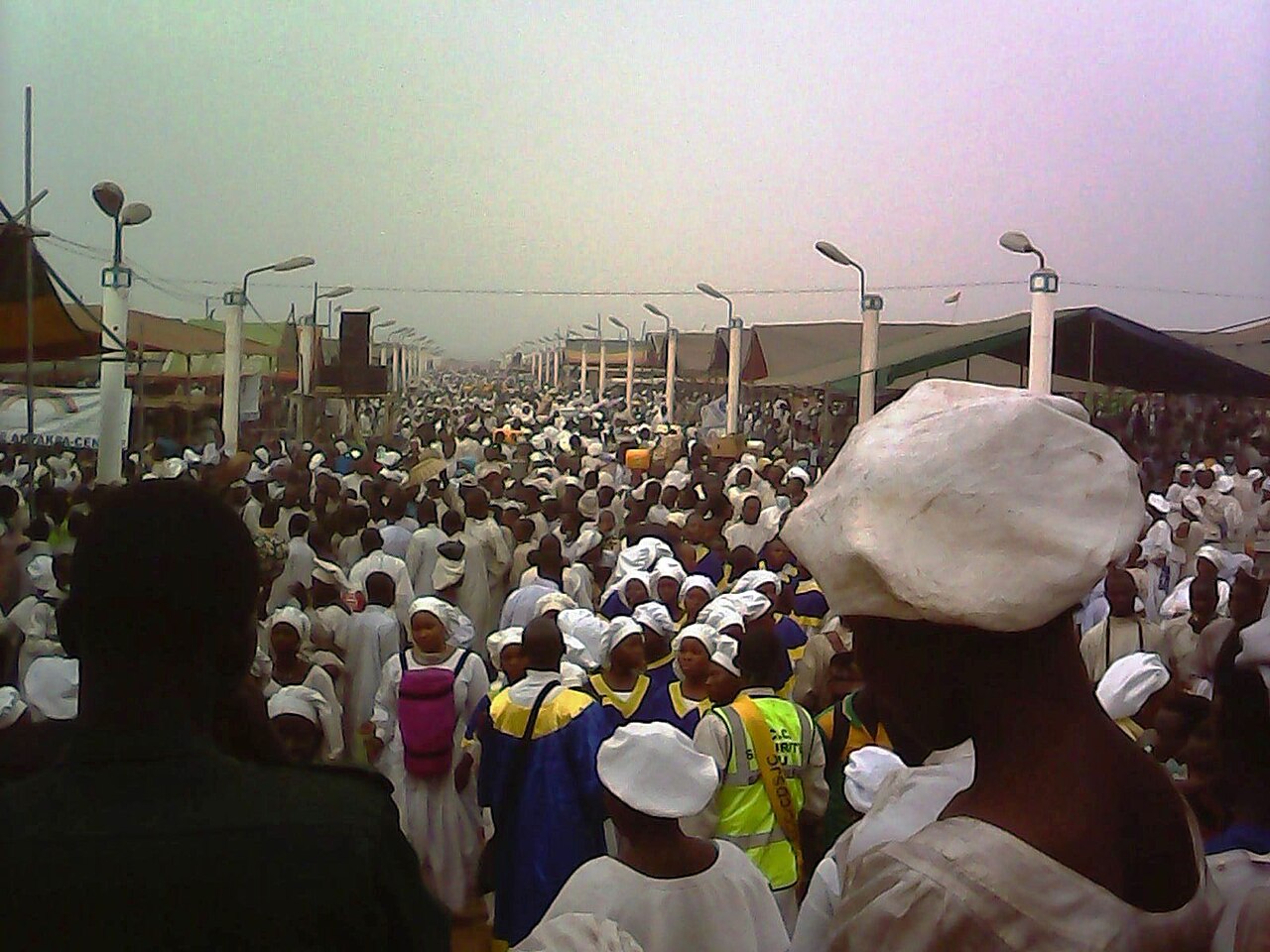
Most Celestians know the story of 29 September 1947, when Papa Oshoffa founded the church in Porto-Novo. Fewer talk about what came next: the years of growing from a small prayer fellowship into a church the state itself had to take seriously.
According to Wikipedia's article on the Celestial Church of Christ, the church was recognised and authorised by the Republic of Dahomey (today's Benin) in 1965, only five years after the country gained independence from France in 1960. Eleven years later, in 1976, the church launched an evangelistic campaign across that same former colony.
The numbers that followed are striking. Wikipedia, citing Albert de Surgy's 2001 study, notes that by 2001 the CCC was the second largest church in Benin, with nearly half a million followers.
The story did not stop at the border. The same article records how, from the late 1990s, parishes in the United Kingdom, Germany, Austria, France, the United States and elsewhere used the internet to stay in touch with each other and with Nigeria, where the church is today most popular. Many of us follow parish news online right now, which is exactly that story continuing.
A few things worth sitting with:
- A young church, recognised by a newly independent state within two decades of its founding.
- A mission campaign that began with local evangelism and grew across borders.
- A worldwide family that now meets online as well as in the pews.
Over to you:
- If your parish or family has roots in Benin, what do you remember being told about those early years?
- How did you first come to hear about the Celestial Church, and what drew you in?
Sources: Wikipedia, "Celestial Church of Christ" (en.wikipedia.org/wiki/Celestial_Church_of_Christ), which cites A. de Surgy, "L'Eglise du christianisme celeste" (Karthala, 2001). Retold in our own words by Celeland, a community site that is not official church media.
Photo: Wikimedia Commons, "Porto-Novo Beach Pilgrims.jpg"
3
•
0
•
0
0 likes
Comments
(0)
No comments yet.

Members Online:
0 Members online in last 5 minutes
9 Guests online in last 5 minutes